

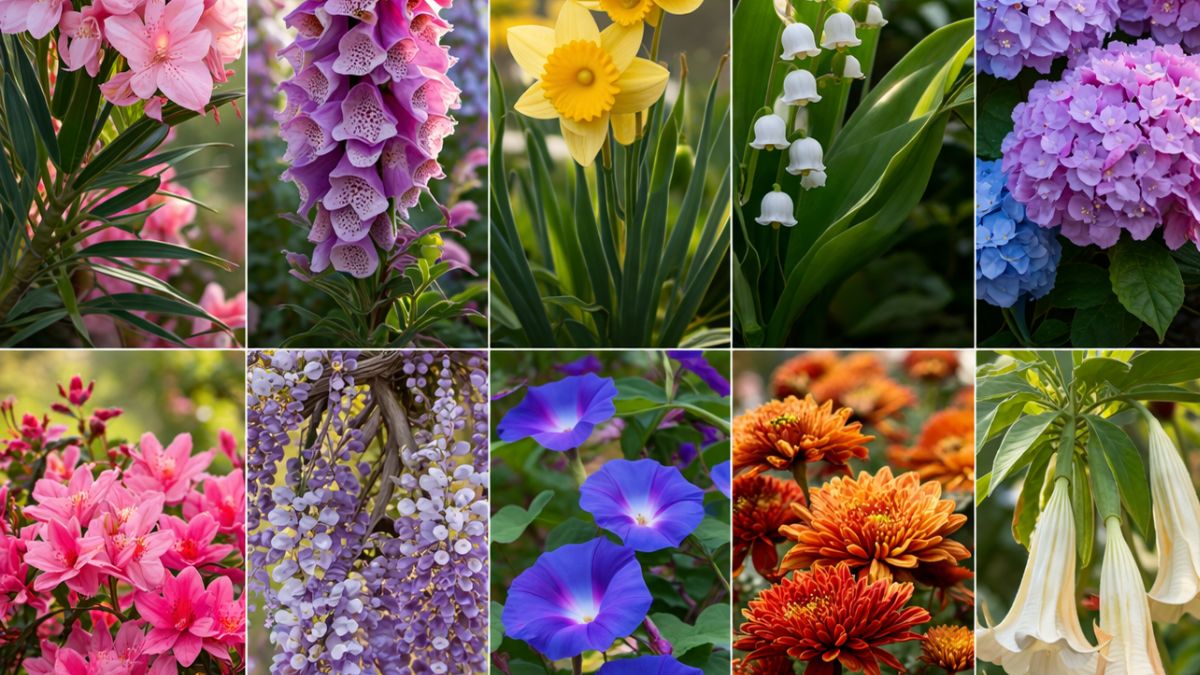
Creating a beautiful garden is a joy for many families, especially in Australia, where outdoor living is a big part of everyday life. However, while vibrant flowers and lush greenery can make a garden look inviting, not all plants are as harmless as they appear. For parents with young children, it’s important to understand that some common garden flowers can be toxic if touched or ingested. Children are naturally curious, and their tendency to explore by touching or tasting makes it essential to create a safe outdoor environment.
In this guide, we’ll explore ten harmful garden flowers that parents should be aware of, along with tips on how to keep your garden both beautiful and safe for your family.
Why Garden Safety Matters for Children
Children often play freely in gardens, picking flowers, digging in the soil, and exploring their surroundings. While this is a healthy and enjoyable activity, it can also expose them to hidden risks. Many plants contain natural toxins that can cause symptoms ranging from mild skin irritation to serious health issues if ingested.
In Australia, where biodiversity is rich and varied, the risk can be even higher. Understanding which plants are potentially dangerous is the first step in preventing accidents and ensuring peace of mind.
Oleander
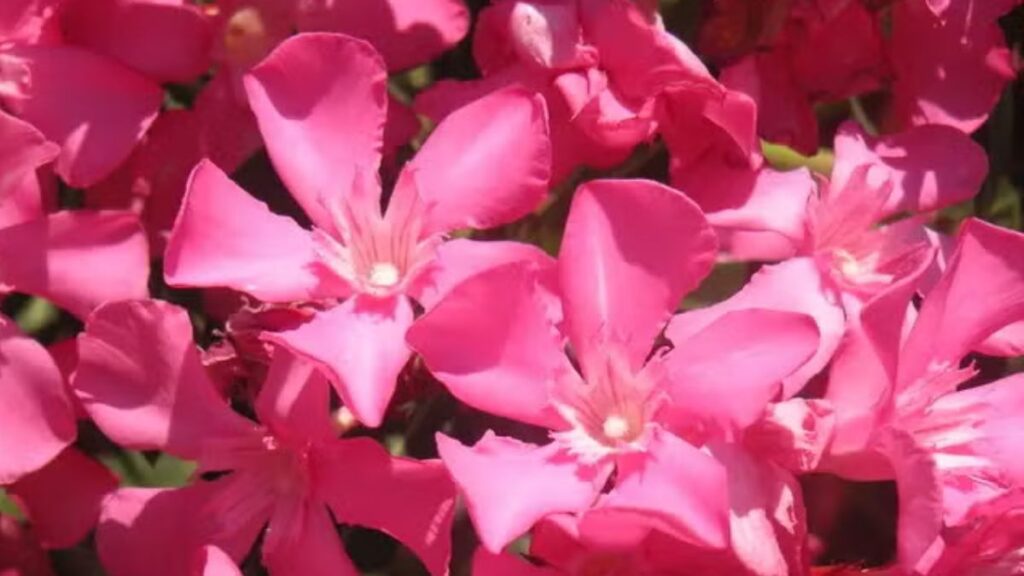
Oleander is a popular ornamental plant known for its beautiful pink, white, or red flowers. Despite its attractive appearance, it is highly toxic. Every part of the plant contains compounds that can affect the heart if ingested. Even small amounts can cause serious symptoms, making it particularly dangerous for children.

Foxglove
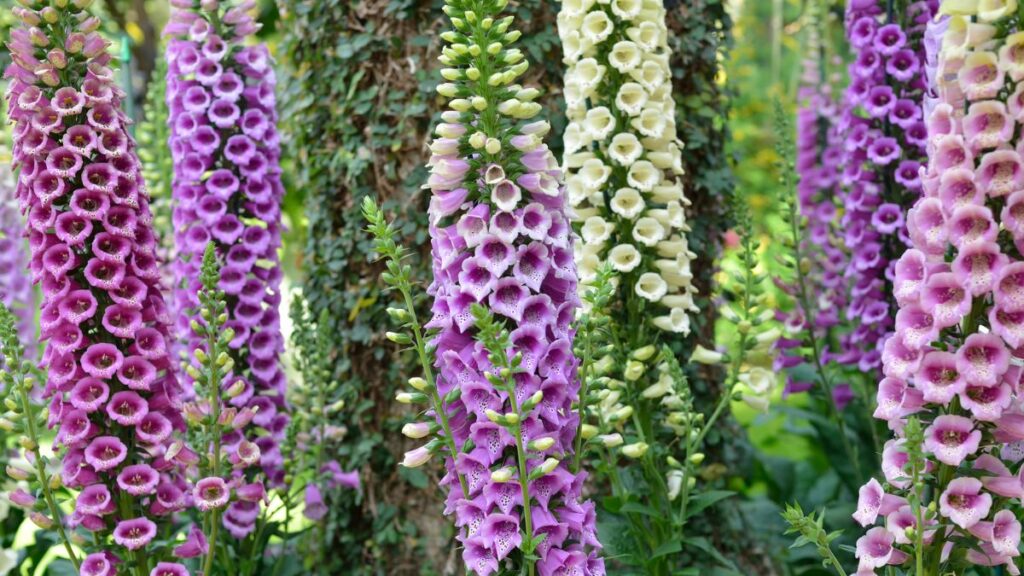
Foxglove produces tall spikes of bell-shaped flowers and is often found in decorative gardens. However, it contains digitalis, a substance that can interfere with heart function. Ingesting any part of this plant can lead to nausea, dizziness, and more severe complications.
Daffodil
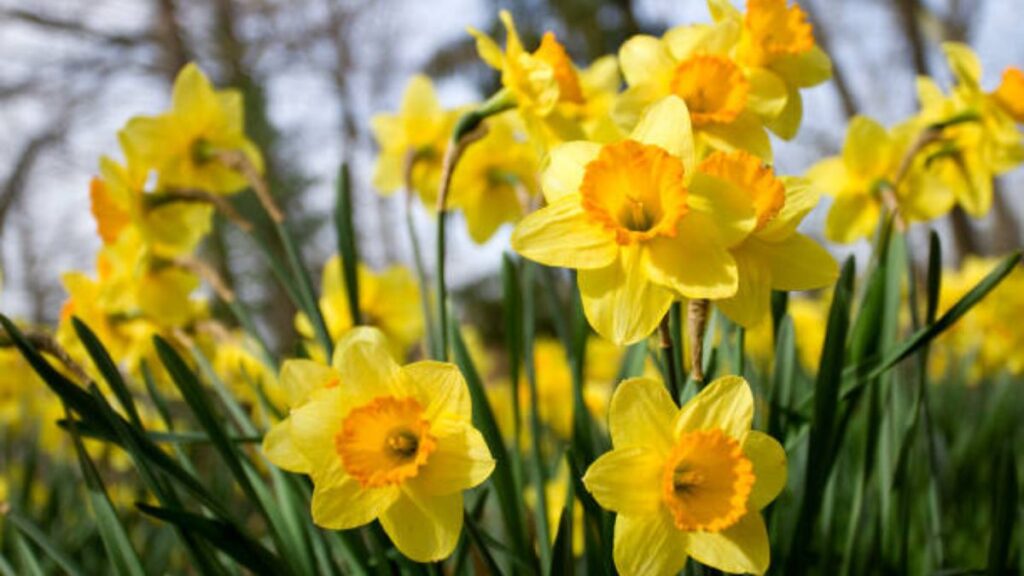
Daffodils are commonly associated with spring and are loved for their bright yellow blooms. However, their bulbs are especially toxic and can cause vomiting, diarrhea, and abdominal pain if eaten. Children may mistake the bulbs for edible plants, increasing the risk.
Lily of the Valley
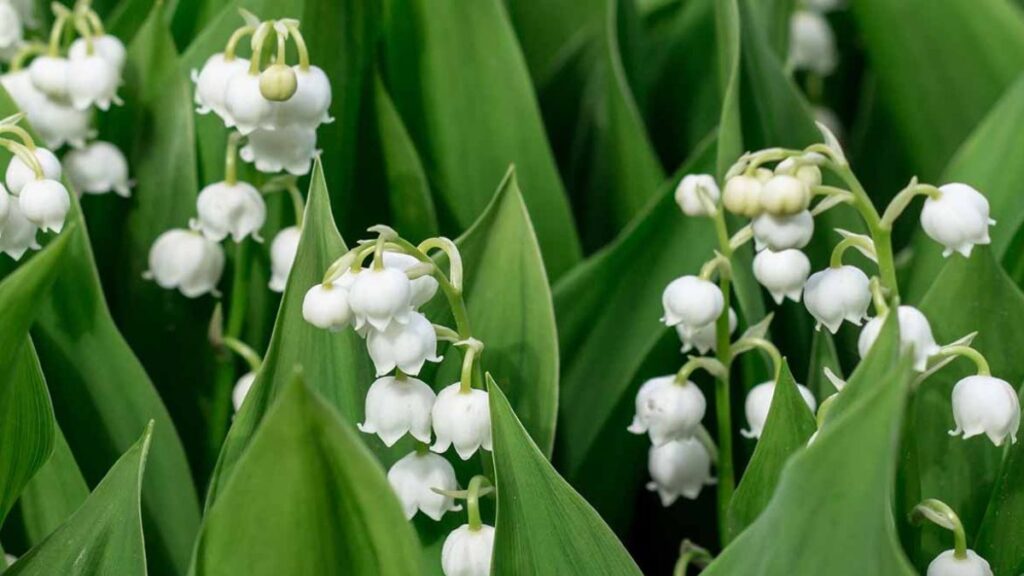
This delicate-looking plant has small, fragrant white flowers, but it is far from harmless. Lily of the valley contains toxins that can affect the heart and digestive system. Even a small amount can lead to serious health issues.
Hydrangea
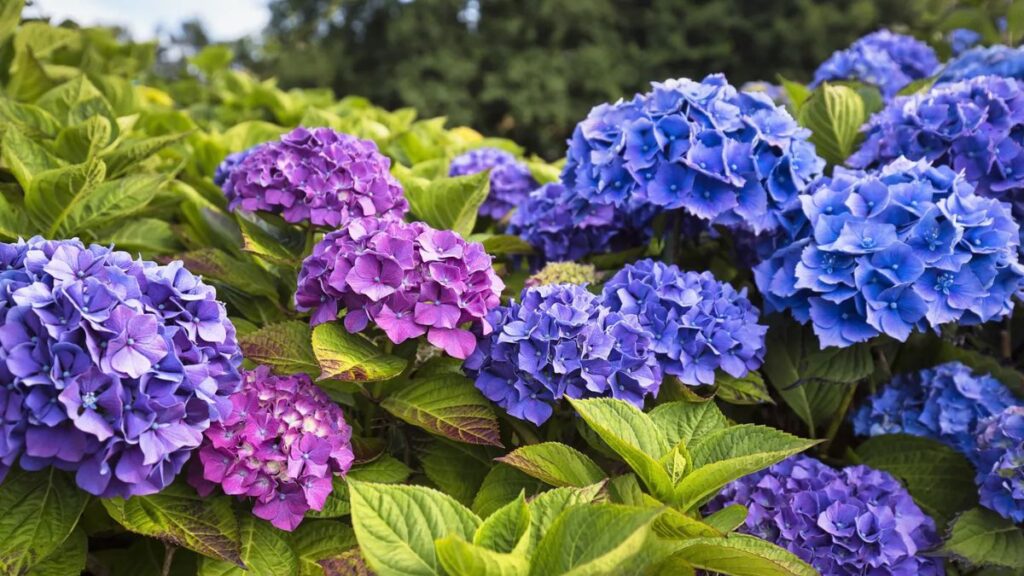
Hydrangeas are widely used in gardens for their large, colorful flower clusters. While not as toxic as some other plants on this list, they can still cause stomach upset if ingested. It’s best to keep them out of reach of young children.
Azalea
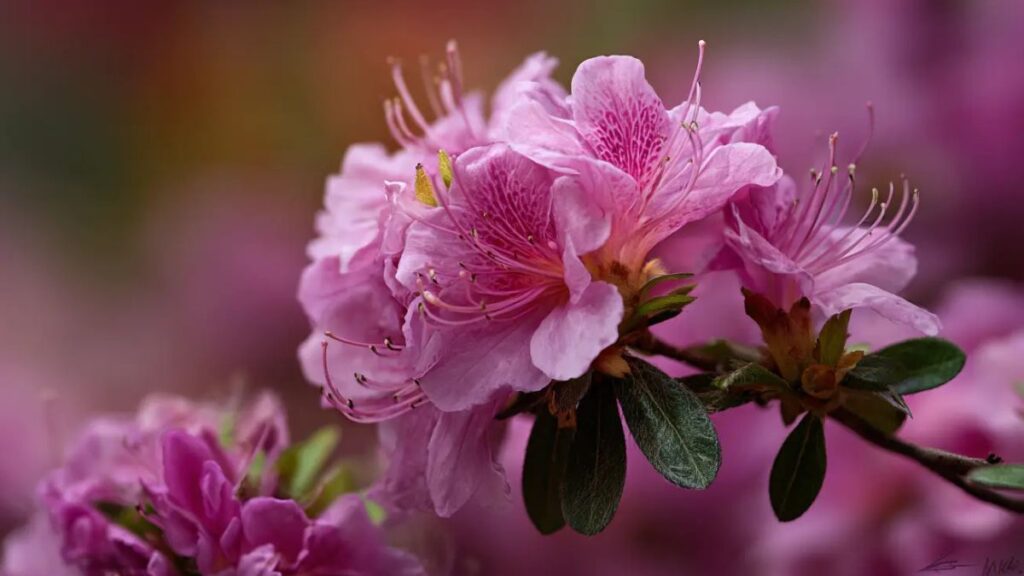
Azaleas are popular for their vibrant flowers, but they contain grayanotoxins, which can affect the nervous system. Symptoms of ingestion may include vomiting, weakness, and difficulty breathing.
Wisteria
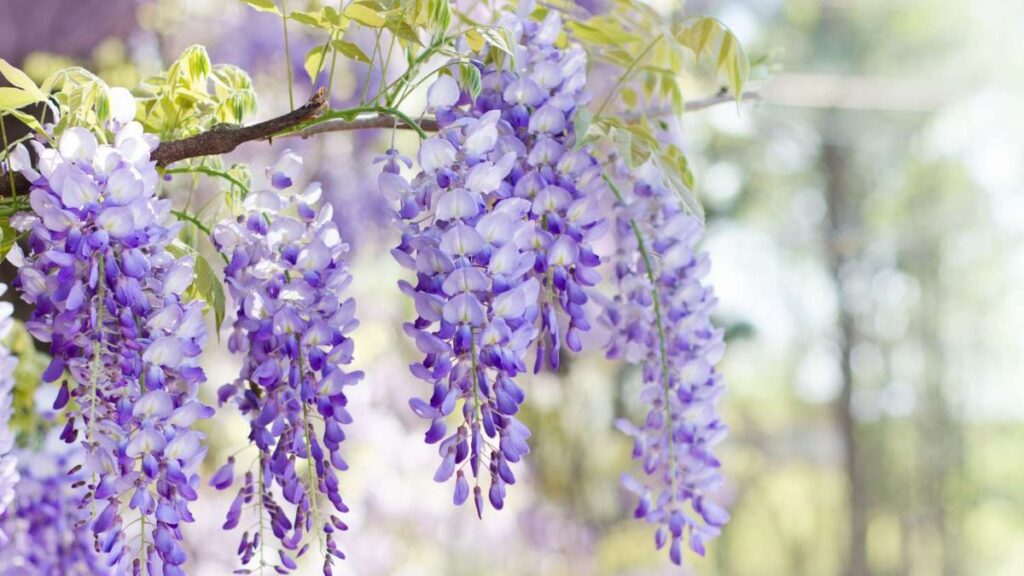
Wisteria is admired for its cascading purple flowers, often seen in pergolas and garden arches. However, its seeds and pods are toxic and can cause nausea, vomiting, and diarrhea if consumed.
Morning Glory
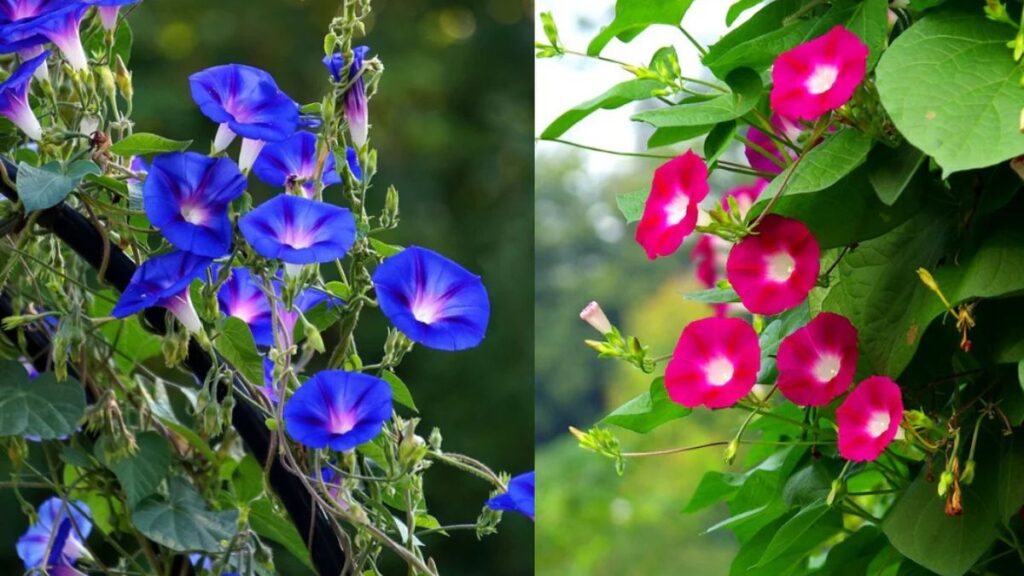
Morning glories are known for their beautiful, trumpet-shaped flowers. While the flowers themselves are less harmful, the seeds can be toxic and may cause hallucinations and digestive issues if ingested.
Chrysanthemum
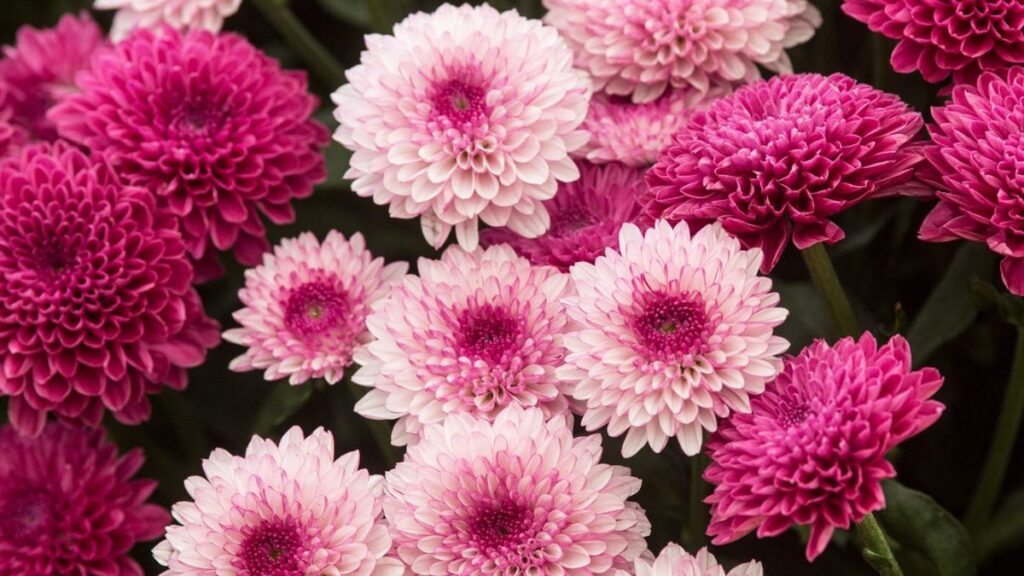
Chrysanthemums are commonly used in gardens and floral arrangements. They contain compounds that can cause skin irritation and mild toxicity if ingested, leading to discomfort and allergic reactions in some children.
Angel’s Trumpet
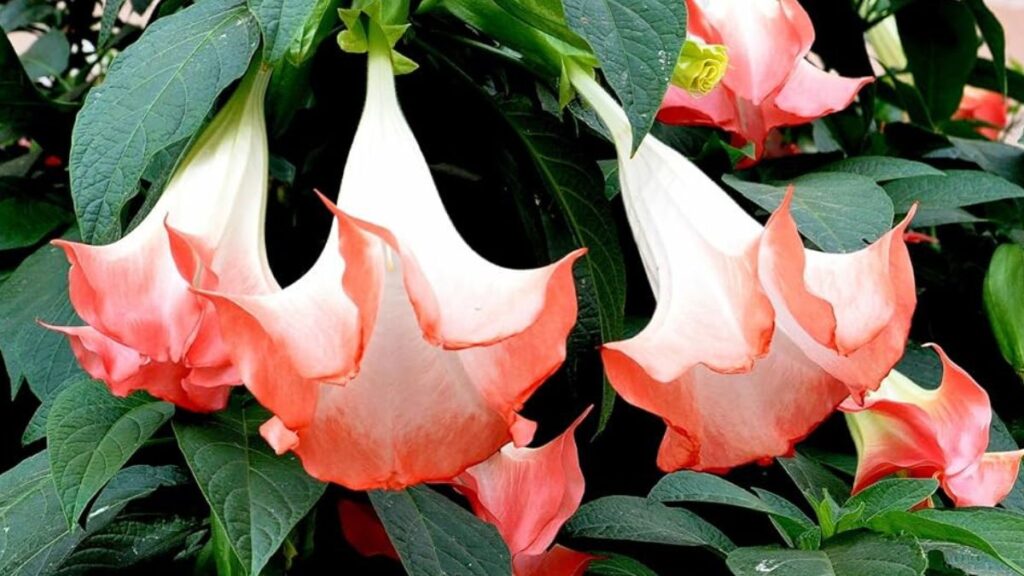
Angel’s trumpet is a striking plant with large, hanging flowers. Despite its beauty, it is highly toxic and can cause severe symptoms such as confusion, hallucinations, and even life-threatening reactions if ingested.
Recognizing Symptoms of Plant Poisoning
If a child comes into contact with or ingests a toxic plant, symptoms can vary depending on the type of plant and the amount involved. Common signs include nausea, vomiting, skin irritation, dizziness, and difficulty breathing.
In more serious cases, symptoms may affect the heart or nervous system. If you suspect plant poisoning, it is important to seek medical attention immediately. Acting quickly can make a significant difference in the outcome.
Tips for Creating a Child-Safe Garden
Making your garden safe doesn’t mean sacrificing beauty. With a few simple steps, you can create an environment that is both attractive and child-friendly. Start by identifying and removing any toxic plants from your garden. If removal is not possible, consider placing them in areas that are inaccessible to children.
Educating children about not touching or eating unknown plants is also crucial. While supervision is important, teaching them basic safety rules can help prevent accidents. Additionally, consider choosing non-toxic plants and flowers that are safe for children to interact with.
Safe Alternatives to Toxic Plants
There are many beautiful, non-toxic plants that can replace harmful ones in your garden. Options such as marigolds, sunflowers, and snapdragons are both colorful and safe for children. These alternatives allow you to maintain a vibrant garden without compromising safety.
By carefully selecting your plants, you can create a space where children can play freely without unnecessary risks.
The Importance of Awareness
Awareness is the key to prevention. Many parents may not realize that common garden plants can pose a threat to their children. By educating yourself and taking proactive steps, you can reduce the risk and ensure a safer environment.
In Australia, where gardening is a popular hobby, spreading awareness about plant safety is especially important. Sharing this knowledge with other parents can also help create safer communities.
Final Thoughts
A garden should be a place of joy, relaxation, and exploration for the whole family. While the beauty of flowers can enhance any outdoor space, it’s essential to be mindful of the hidden dangers some plants may pose.
By identifying harmful flowers and taking steps to manage or replace them, parents in Australia can create a safe and welcoming environment for their children. With the right balance of knowledge and care, you can enjoy a stunning garden while keeping your loved ones protected.
FAQs
Q1. Why should parents in Australia avoid certain garden flowers?
A. Some flowers are toxic and can harm children if touched or eaten.
Q2. Which parts of plants are usually most dangerous?
A. Leaves, flowers, seeds, and especially bulbs can be toxic.
Q3. What are common symptoms of plant poisoning?
A. Nausea, vomiting, skin irritation, and dizziness.
Q4. Can children safely play in gardens?
A. Yes, if toxic plants are removed or kept out of reach.
Q5. What is the safest way to prevent plant-related risks?
A. Choose non-toxic plants and supervise children while playing.





Leave a Reply