

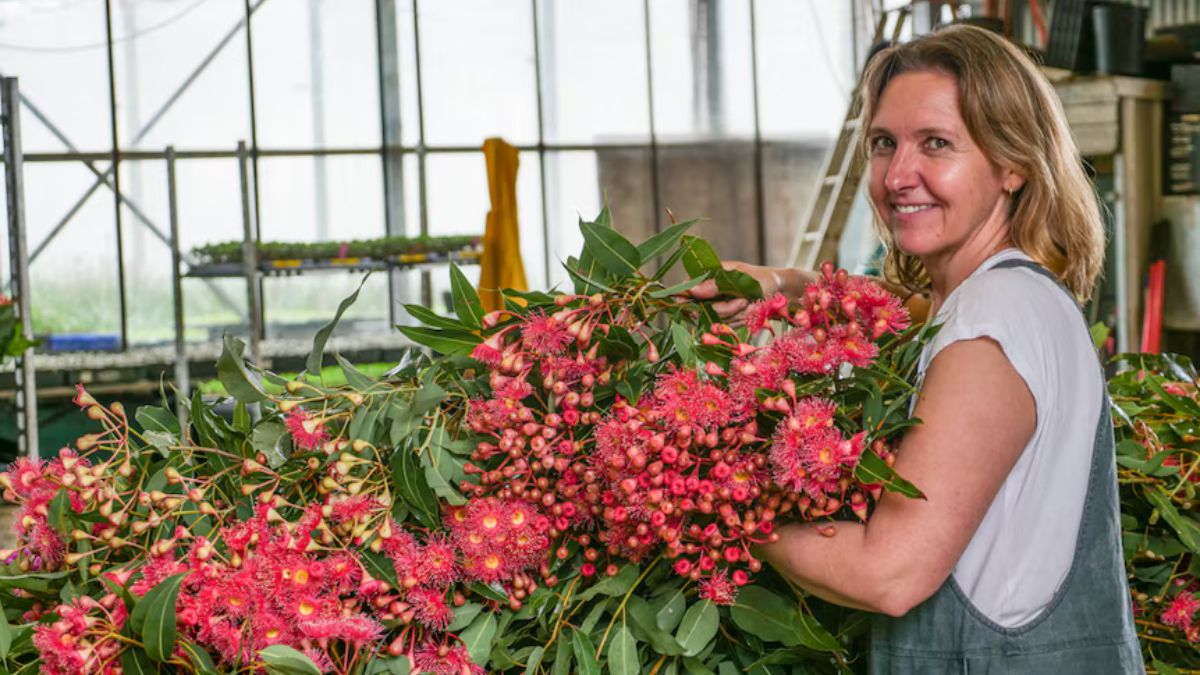
In recent years, consumer behavior has undergone a noticeable transformation, especially when it comes to everyday purchases. One of the most surprising yet inspiring changes has emerged in the floral industry. Locally grown flowers are no longer just an alternative—they are quickly becoming the preferred choice for many buyers. This shift is largely driven by a growing awareness of sustainability and a desire to make environmentally responsible decisions. People are beginning to look beyond aesthetics and consider how their choices impact the planet, and flowers are no exception.
The Hidden Cost of Imported Blooms
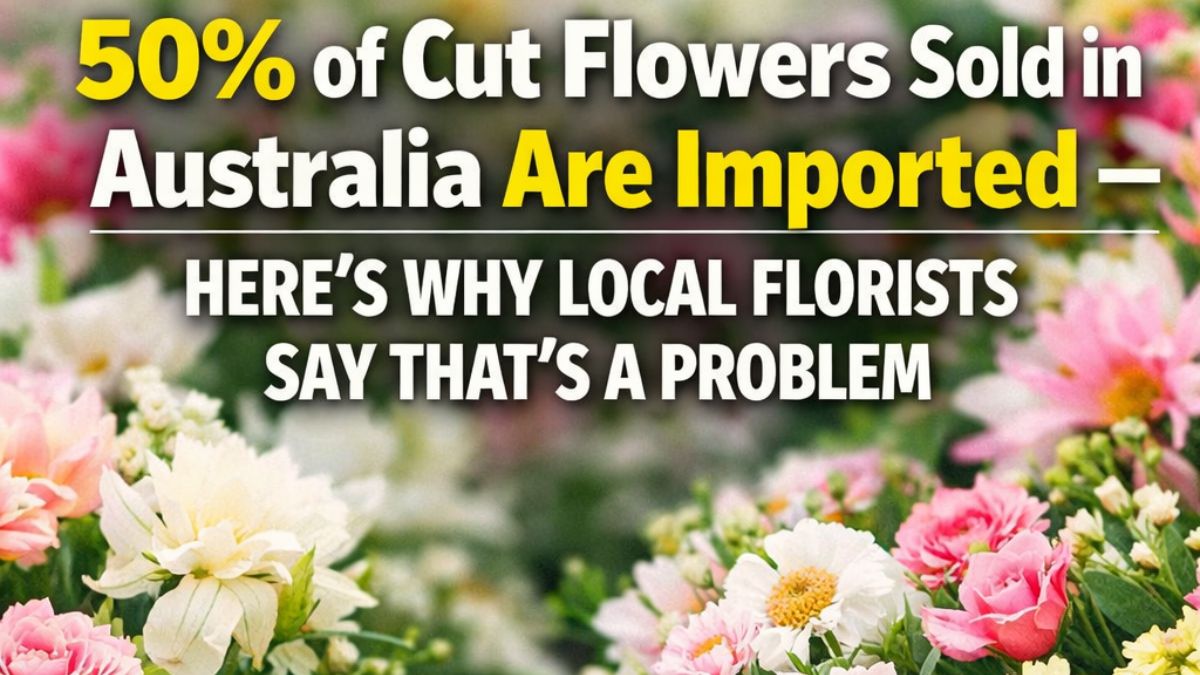
For decades, imported flowers dominated the market due to their year-round availability and uniform appearance. However, many consumers are now learning about the environmental cost behind these blooms. Imported flowers often travel thousands of miles before reaching store shelves, requiring significant fuel for transportation and refrigeration. Additionally, large-scale flower farms in some regions rely heavily on chemicals and intensive farming practices that can harm ecosystems. As this awareness spreads, buyers are starting to question whether beauty should come at such a high environmental price.
Why Local Flowers Are Gaining Popularity
Locally grown flowers offer a refreshing alternative that aligns with eco-friendly values. Since they are grown closer to home, they require less transportation, which significantly reduces carbon emissions. These flowers are often fresher, more vibrant, and longer-lasting because they don’t spend days in transit. Moreover, local farmers tend to adopt more sustainable growing methods, including seasonal cultivation and reduced pesticide use. This not only benefits the environment but also supports healthier working conditions and local biodiversity.
Seasonal Beauty and Unique Appeal
One of the most appealing aspects of locally grown flowers is their seasonal nature. Unlike imported blooms that are available year-round, local flowers reflect the natural rhythm of the seasons. This means consumers get to experience a rotating variety of colors, shapes, and fragrances throughout the year. Seasonal flowers often carry a unique charm and authenticity that mass-produced imports lack. This sense of exclusivity and connection to nature has turned local flowers into a trend that resonates deeply with modern buyers.
Supporting Local Economies and Communities
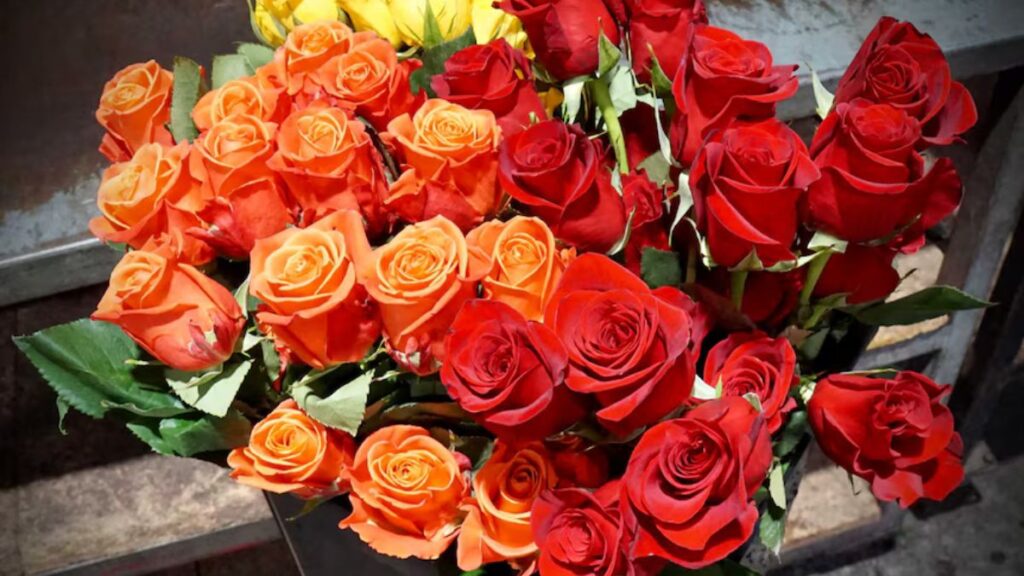
Choosing locally grown flowers is not just an environmental decision—it is also an economic one. When consumers purchase from local growers, they contribute directly to their community’s economy. Small-scale farmers, florists, and local markets benefit from this support, helping them sustain their businesses and livelihoods. This creates a ripple effect that strengthens local economies and encourages more sustainable agricultural practices. In a time when many communities are striving for resilience, this kind of support makes a meaningful difference.
The Role of Social Media and Lifestyle Trends
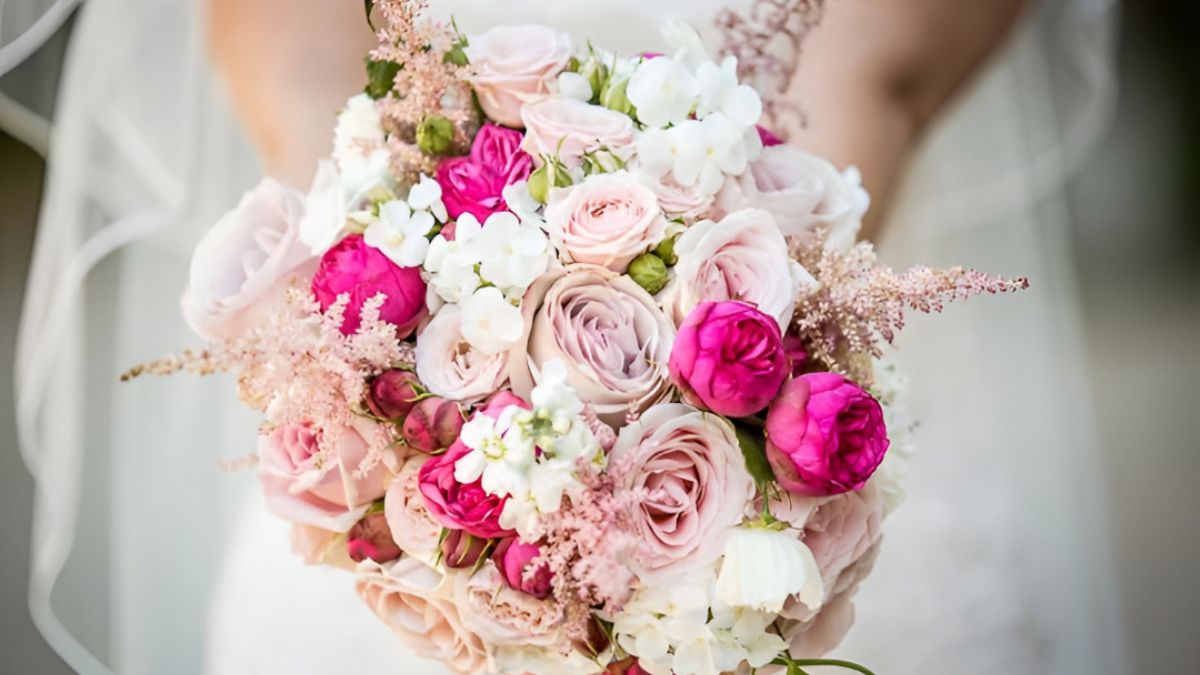
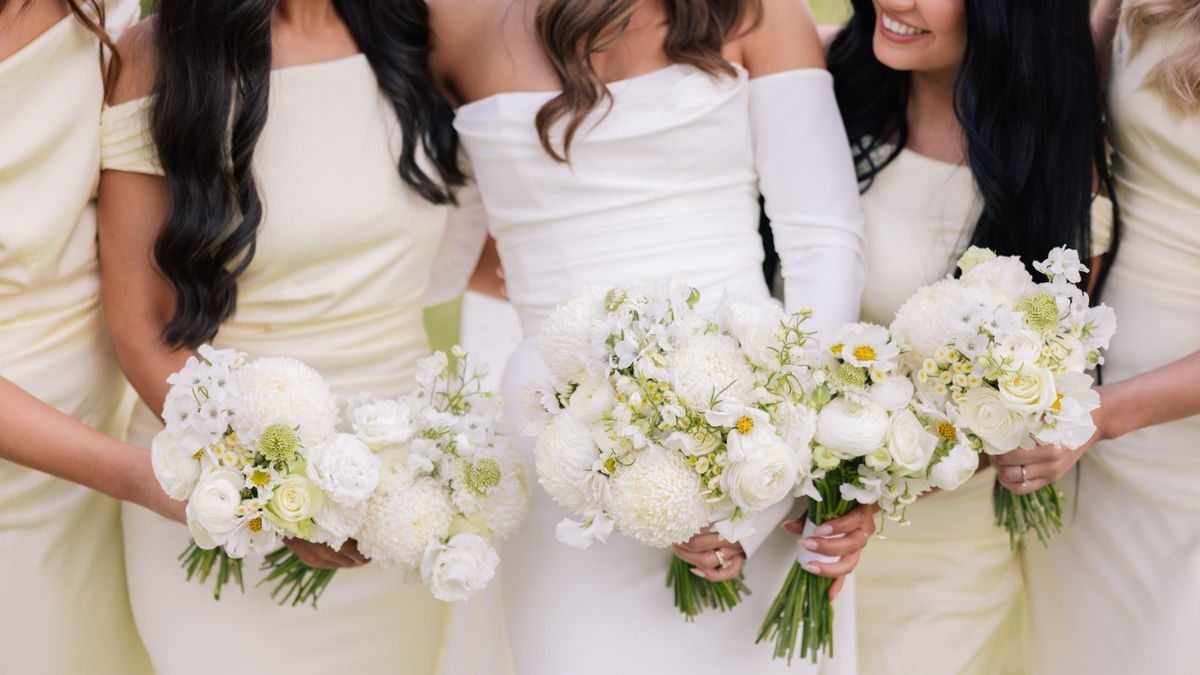
The rise of locally grown flowers has also been fueled by social media and evolving lifestyle trends. Platforms showcasing eco-conscious living have amplified the appeal of sustainable choices, including locally sourced products. Influencers, florists, and designers are increasingly highlighting the beauty and uniqueness of local blooms, inspiring others to follow suit. Weddings, events, and home décor are now embracing this trend, with many people opting for arrangements that are both stunning and environmentally friendly.
Challenges and the Road Ahead
Despite their growing popularity, locally grown flowers still face certain challenges. Limited availability, seasonal constraints, and slightly higher costs can sometimes deter consumers. However, as demand continues to rise, more farmers are entering the market, and supply chains are gradually adapting. Education and awareness will play a key role in overcoming these challenges, helping consumers understand the long-term benefits of choosing sustainability over convenience.
Conclusion
The increasing preference for locally grown flowers marks a significant shift in consumer priorities. It reflects a broader movement toward sustainability, where people are making thoughtful choices that align with their values. By embracing local blooms, consumers are not only reducing their environmental footprint but also supporting their communities and celebrating the natural beauty of each season. As this trend continues to grow, locally grown flowers are set to redefine the floral industry, proving that true beauty lies in sustainability and conscious living.
FAQs
Q1. Why are locally grown flowers becoming popular?
They reduce carbon footprint, support local farmers, and are fresher than imported flowers.
Q2. Are locally grown flowers more sustainable?
Yes, they require less transportation and often use eco-friendly farming practices.
Q3. Do locally grown flowers last longer?
Typically yes, as they are fresher and not exposed to long shipping times.









Leave a Reply